Local demand
Separate cellar-door weekends, dining trips, market stays, celebrations and quiet rural breaks.
Barossa Valley, South Australia, Australia
The Barossa is a distributed wine-and-food region of vineyards, cellar doors, markets and character towns. The direct page should identify the actual base and help guests slow down without suggesting every venue is next door.
Official tourism centres the Barossa on historic wine and food culture, vineyards, cellar doors, farmers' markets and towns including Tanunda, Nuriootpa, Angaston, Lyndoch and Williamstown. Those towns provide different dining, walking and touring patterns, so the property should not hide behind one broad valley label.
The region is reachable from Adelaide, but staying allows a slower itinerary and removes the pressure to compress tastings, lunch and town time into one return drive. A useful page can show sober transport choices, accurate town distances, self-catering and picnic facilities, and the rural features the property genuinely offers.
Venue lists date quickly. Cellar-door names, hours, events and transport services should link to current official or operator sources and never imply a partnership. Evergreen content should instead explain the base, the rhythm of a two-night stay and transparent booking or cancellation terms.
Tanunda, Nuriootpa, Angaston and other bases give guests different walking, dining and touring access.
Explain tours, transfers or a designated-driver plan without suggesting the property controls an external service.
A slower morning, market visit or town dinner can make the stay more credible than another exhaustive cellar-door list.
The site should connect an exact town or rural base with an unhurried food-and-wine plan and safe transport.
Separate cellar-door weekends, dining trips, market stays, celebrations and quiet rural breaks.
Pair Barossa with town, cottage, group, transport and food-and-wine intent.
Let real property character and accurate town or touring distances replace generic vineyard language.
State external transport, tastings and meal arrangements separately from property inclusions.
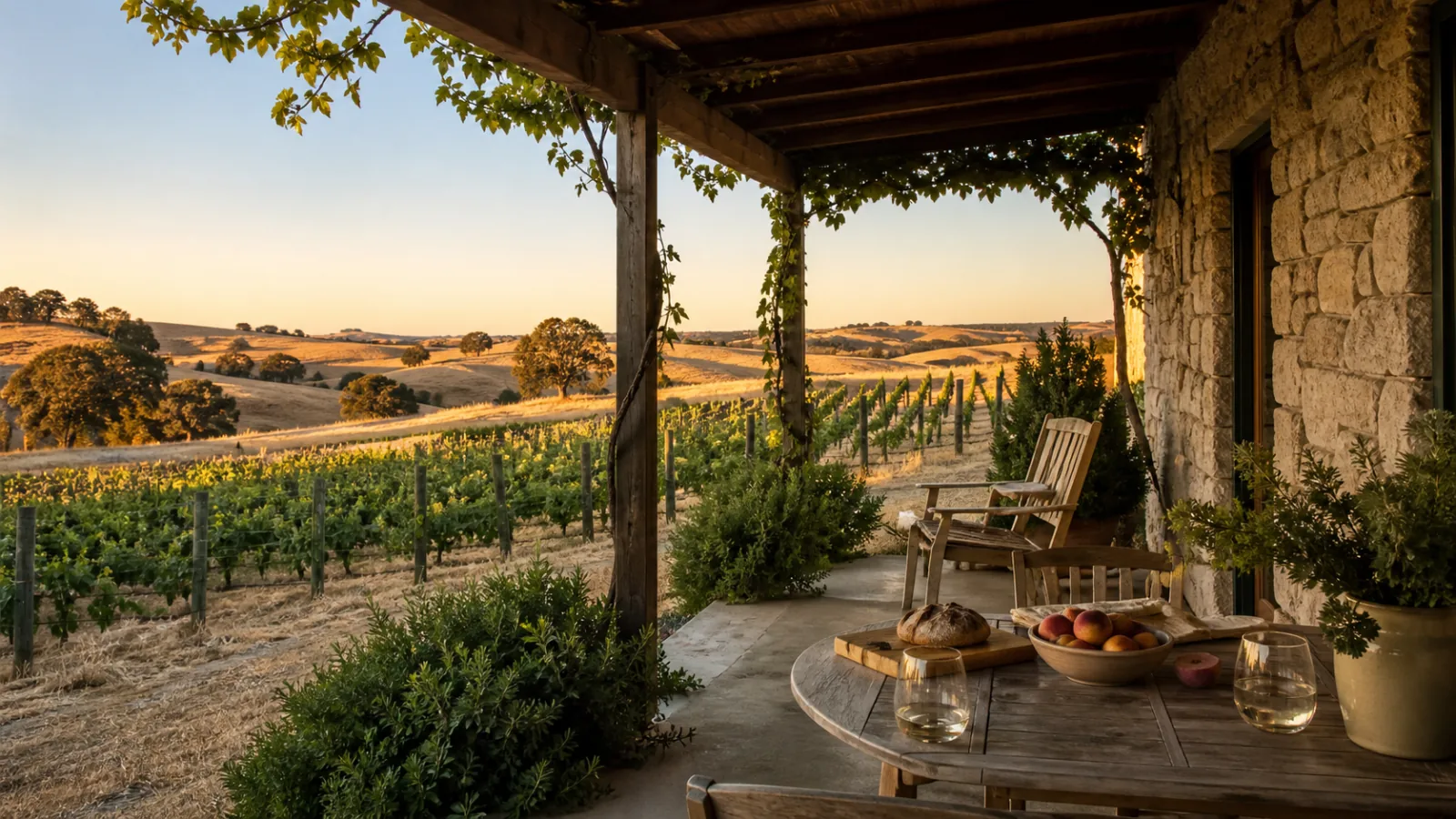
Barossa ValleyAI-generated representative editorial scene; it is not a real client property or a property offered by Direct Stay Guru.
The guest CRM
Keep tasting transport, dining plans, group arrival and follow-up messages together without turning changing venue hours into stale automation.
The Direct Stay guest inbox. Four conversations that arrived on WhatsApp, Telegram, iMessage and email sit in one list, and Marta Kowalski's WhatsApp thread is open beside it with a reply written in the composer.
Start with what you need now. Add more properties and tools when you are ready.
For 1–2 properties. Film, direct-booking site, Google profile and the core booking setup.
Start with LaunchFor 3–8 properties. Add multi-property discovery, guest messaging and ongoing visibility.
Talk about ScaleFor large property groups. Manage direct bookings across several regions in one place.
See portfolio plansDestination-specific guidance for a useful direct-booking build.
Yes. The town or rural locality shapes dining, supplies, walkability and the day's touring route, so it should appear before a broad regional promise.
Only claim arrangements it genuinely provides. Otherwise offer neutral planning guidance and current links to independent tours or official destination information.
The page can show a slower rhythm, safer transport and time for town, dinner or a quiet morning without claiming exclusivity or special access.
Bedroom configuration, bathrooms, shared dining space, transport pickup, noise rules, parking and cancellation terms often matter more than a general luxury label.
Open a locality guide for more specific direct-booking context. The full list is grouped alphabetically for faster scanning.
Operating somewhere else?
Browse all Australian placesKeep every listing live.
Kia ora. What are you trying to sort out?
 BAROSSA VALLEY, AUSTRALIABook direct in Barossa Valley.