WhatsAppnow
Marta Kowalski
Hi! We are just landing now, where do we find the key?
Snowy Mountains, NSW
Snowy Mountains guests may be choosing a winter base for Thredbo or Perisher, a Jindabyne house for a group, or a summer stay for walking, riding and lake days. The direct page should separate those seasons, show the real access plan and make gear and family logistics unusually clear.
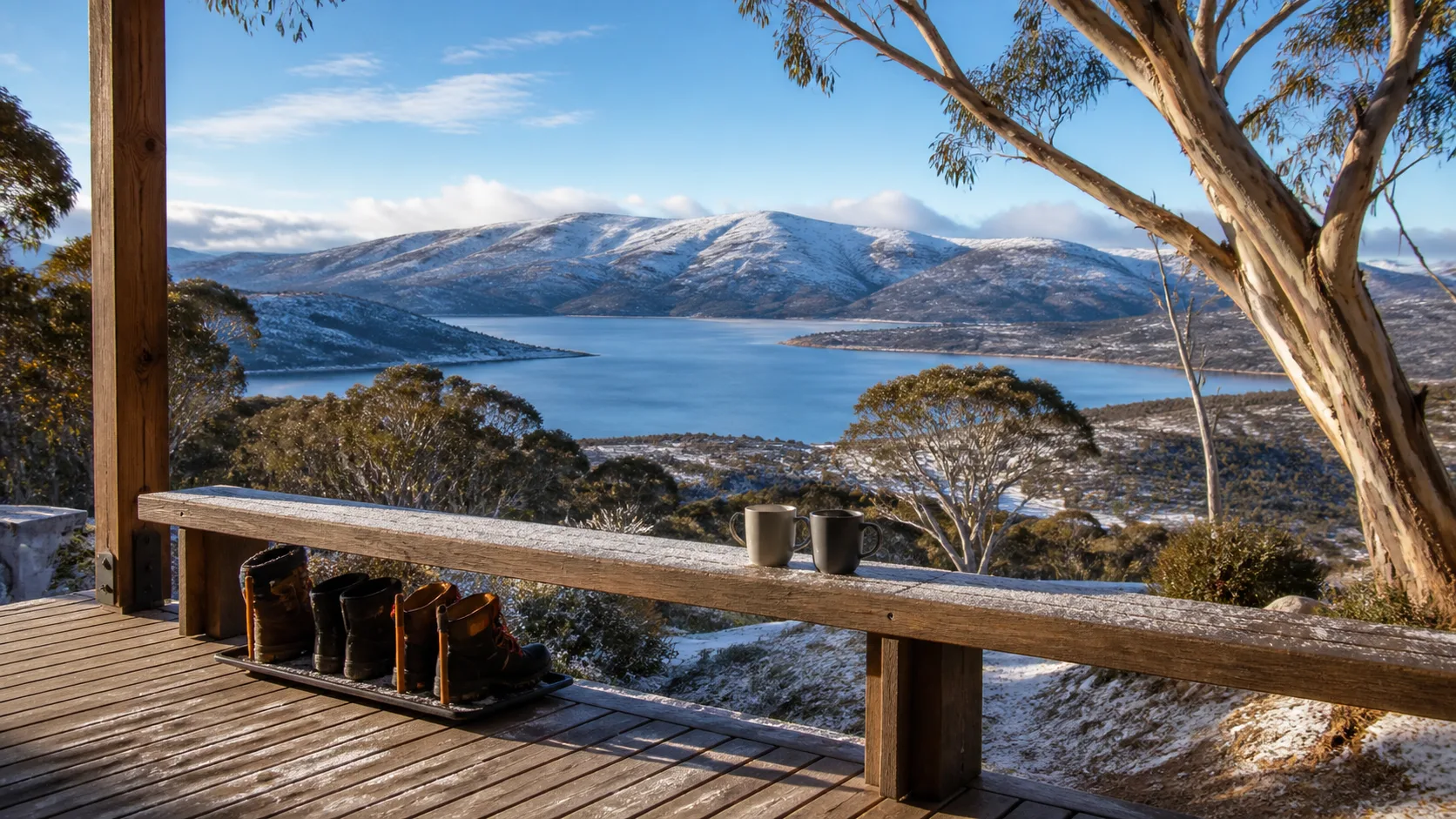
Winter guests compare resort access, Jindabyne or other town bases, transport, parking and the work of moving a group with equipment. A property page should explain the actual base and route without using resort language such as ski-in or on-snow unless it is strictly true. Current road, chain, park-entry and resort information can change and should be linked to official sources rather than rewritten as permanent advice.
The house itself has specific winter jobs: drying, heating, secure gear storage, boot management, parking and enough bathrooms for an early start. Those facts deserve priority over generic snow photography. Families also need bedroom and stair detail, while groups need a clear allocation of beds rather than a maximum occupancy number alone.
Summer is not an afterthought. Walking, mountain biking, fishing and lake-based trips create different imagery, search language and facilities. A second seasonal path can explain bike storage, outdoor areas and trail or town context without mixing summer intent into a winter-only landing page. Distinct seasons make the page more useful and naturally more original.
Group fit should remain visible in both seasons. A winter party may arrive with several vehicles and bulky equipment; a summer riding group may need secure bike storage and wash-down space. Accurate beds, bathrooms and house rules help either group assess the property without assuming a lodge service or resort partnership.
Differentiate Jindabyne, a resort village and other towns. Link changing road, park and resort operations to official sources rather than providing regulatory instructions.
Heating, drying, boot entry, secure storage, parking and early-morning flow are core booking information for winter groups, not minor amenity details.
Use separate walking, riding, lake and town content so warmer-month guests do not land on a page that treats the region as snow-only.
The guest CRM
The website wins the booking. The shared Direct Stay system then keeps guest questions, stay details and replies together without asking the guest to change apps.
The interface below is an illustrative product demonstration. Names, conversations, stays and amounts are sample data, not customers or results.
The Direct Stay guest inbox. Four conversations that arrived on WhatsApp, Telegram, iMessage and email sit in one list, and Marta Kowalski's WhatsApp thread is open beside it with a reply written in the composer.
Start with what you need now. Add more properties and tools when you are ready.
For 1–2 properties. Film, direct-booking site, Google profile and the core booking setup.
Start with LaunchFor 3–8 properties. Add multi-property discovery, guest messaging and ongoing visibility.
Talk about ScaleFor large property groups. Manage direct bookings across several regions in one place.
See portfolio plansLocal decisions a useful booking page should make easier.
Yes, while clearly stating that it is a town base rather than on-snow lodging. Explain the broad resort access plan and property facilities. Current transport, road and chain requirements should be checked with official sources; the page should not provide regulatory advice.
Guests look for heating, drying, boot entry, gear storage, parking, bathroom flow and accurate beds. These facts make an early resort start easier to judge. Do not use ski-in, snow-covered or guaranteed access language unless it is verified for that exact property.
The same property page can introduce both seasons, but each should have a distinct path or supporting page. Summer guests need walking, cycling, lake, outdoor and storage context rather than a winter page with the month names changed.
Link to current NSW National Parks, transport and resort information and state that guests should check conditions. Avoid paraphrasing rules as legal or safety advice. Operational details can change faster than an evergreen booking page is reviewed.
Open a locality guide for more specific direct-booking context. The full list is grouped alphabetically for faster scanning.
Explore another local guide.
Browse all locationsKeep every current listing live.
Hey. What are you trying to sort out?