WhatsAppnow
Marta Kowalski
Hi! We are just landing now, where do we find the key?
Mission Bay, Auckland
Guests considering Mission Bay are usually comparing more than a bed. They are deciding whether the location fits the purpose and pace of their trip. Mission Bay is a popular eastern-bays suburb facing the Waitematā Harbour, with demand shaped by urban beach, waterfront dining and views toward Rangitoto. A direct-booking page should answer those location questions clearly before asking for an enquiry. Current OTA listings can stay live while the host builds a clearer owned route for suitable guests, repeat visitors and referrals.
Regional image of Auckland. Not the property.
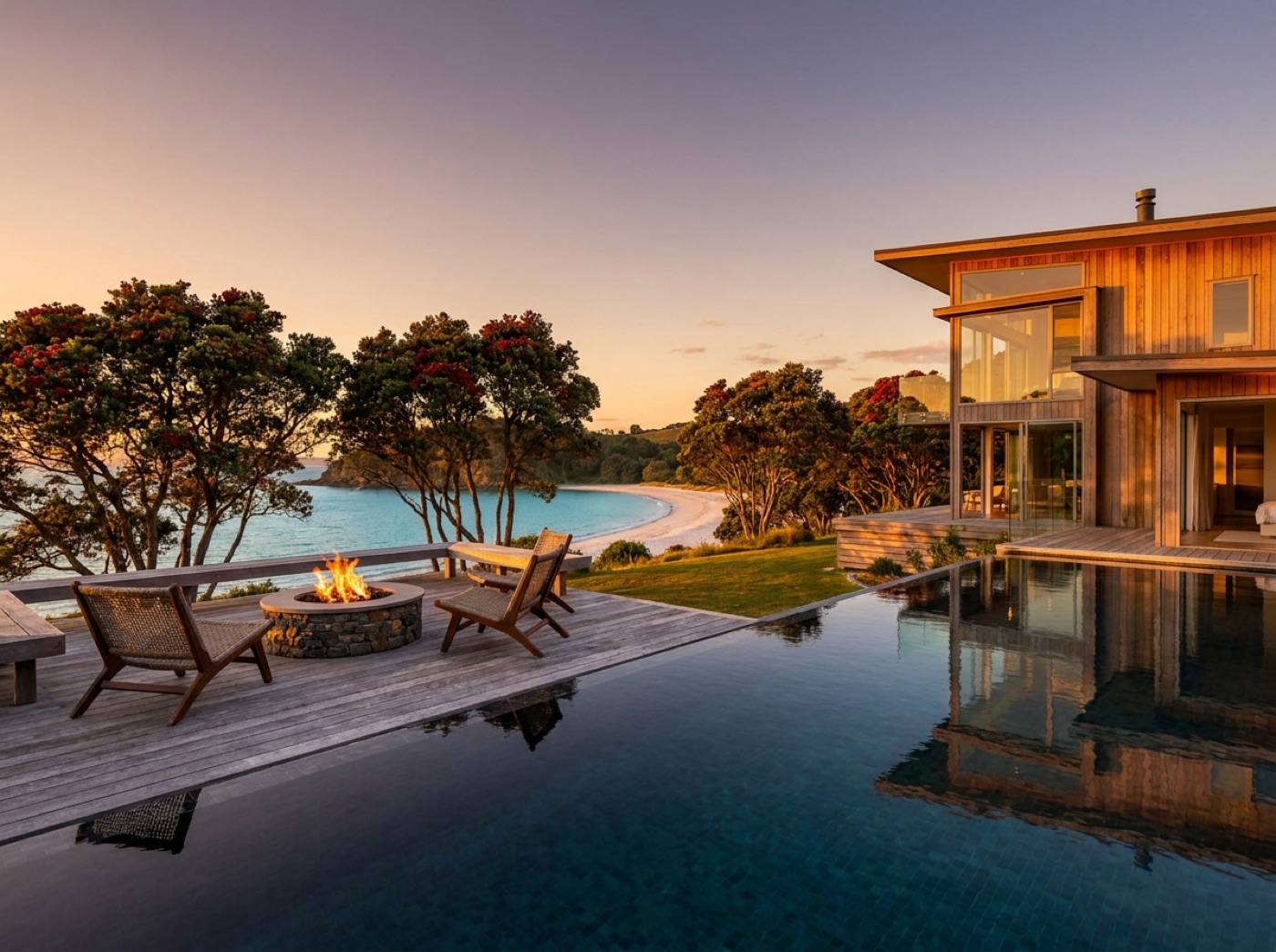
Mission Bay is a popular eastern-bays suburb facing the Waitematā Harbour. The relevant visitor draws include urban beach, waterfront dining and views toward Rangitoto. Those facts create a useful editorial starting point, but a host still needs to connect them to a genuine property and an achievable guest itinerary.
The strongest likely audiences are couples, families and summer city-break guests. Property copy should help each group understand the stay pattern, what is genuinely nearby, and whether they need a car, without overstating distances or promising access the property does not provide. Likely purposes are couples, families and summer city-break guests; they should guide page structure and enquiry questions rather than become unsupported promises about occupancy or seasonality.
Position the accommodation as a beach-and-dining stay within the wider city. Its regional access context is on the coastal road between central Auckland and St Heliers. State that relationship carefully, then verify routes, service availability, road conditions and any transfer details against the actual address before publication.
A calm arrival sequence helps suitable guests self-select. Explain where guests leave the main route, whether a vehicle is practically required, what happens with luggage, when instructions arrive and how late check-in works. Link changeable transport information to the operator instead of freezing a timetable or best-case duration into evergreen copy.
Operational details can carry more weight than promotional adjectives. Show beds, bathrooms, luggage handling, cooking setup and any shared spaces, then add the host's confirmed distances and accessibility notes. This evidence lets guests judge whether the accommodation suits their group without relying on a generic regional description.
Use the Matakana and Mount Eden guides as two valid pathways into the wider area. They provide useful comparison and itinerary context, while the Mission Bay page remains responsible for its own neighbourhood, arrival and property claims.
An owned website complements the discovery already working. Keep availability, pricing, payment terms and cancellation wording aligned across the live booking engine and OTA listings. The direct page should make an owned relationship possible without criticising the channels guests already use.
Before publishing, replace any generic amenity examples with verified property facts and keep local claims consistent with official maps and operator information. Do not imply that the reused Auckland image depicts a real Mission Bay property. LINZ naming and MBIE destination-region sources establish geographic context only. Census figures, where cited elsewhere, describe resident or dwelling context and do not measure short-stay demand.
Sources: LINZ Place names of New Zealand and MBIE Regional Tourism Organisations and Waka Kotahi current network map. Census figures provide locality context only and do not measure short-stay demand.
Explain why the property suits couples, families and summer city-break guests, using actual facilities and house rules instead of assumed destination demand.
Translate “on the coastal road between central Auckland and St Heliers” into verified parking, transfer, luggage and check-in guidance for the address.
Leave OTA listings live, maintain one accurate availability source and give returning guests a credible owned booking route.
The guest CRM
Keep arrival questions, booking changes and follow-up messages for every stay in one thread, across the channels guests already use.
The Direct Stay guest inbox. Four conversations that arrived on WhatsApp, Telegram, iMessage and email sit in one list, and Marta Kowalski's WhatsApp thread is open beside it with a reply written in the composer.
Start with what you need now. Add more properties and tools when you are ready.
For 1–2 properties. Film, direct-booking site, Google profile and the core booking setup.
Start with LaunchFor 3–8 properties. Add multi-property discovery, guest messaging and ongoing visibility.
Talk about ScaleFor large property groups. Manage direct bookings across several regions in one place.
See portfolio plansLocal decisions a useful booking page should make easier.
Start with the sourced context: Mission Bay is a popular eastern-bays suburb facing the Waitematā Harbour. Then explain the property's real relationship to urban beach, waterfront dining and views toward Rangitoto, using checked routes and host-supplied details rather than broad proximity claims.
The likely audiences here are couples, families and summer city-break guests. Treat that as positioning guidance. Actual property capacity, facilities, rules, accessibility and booking evidence must decide which guests the page actively targets.
Use “on the coastal road between central Auckland and St Heliers” as regional orientation, then document the last leg to the property. Cover parking or transfer needs, luggage, road or path conditions, check-in timing and where guests find current operator information.
No. Keep existing OTA listings live and accurate. The owned page adds fuller local explanation, property proof, direct enquiries and a permission-based route for repeat guests alongside those channels.
Publish confirmed photographs, beds, bathrooms, luggage handling, cooking setup and any shared spaces, clear policies and a working availability path. Review recommendations and changing transport details separately so evergreen property facts remain dependable.
Explore this local area.
View the Auckland guideKeep every current OTA listing live.
Hey. What are you trying to sort out?