Make the property felt.
A cinematic sequence built from approved property media gives the stay movement, scale and atmosphere.
Wellington, New Zealand
Wellington guests often book around a reason: work, an event, a ferry connection, family, food or a focused city break. A direct channel should make the property's neighbourhood and practical fit obvious in a compact, topographic city.
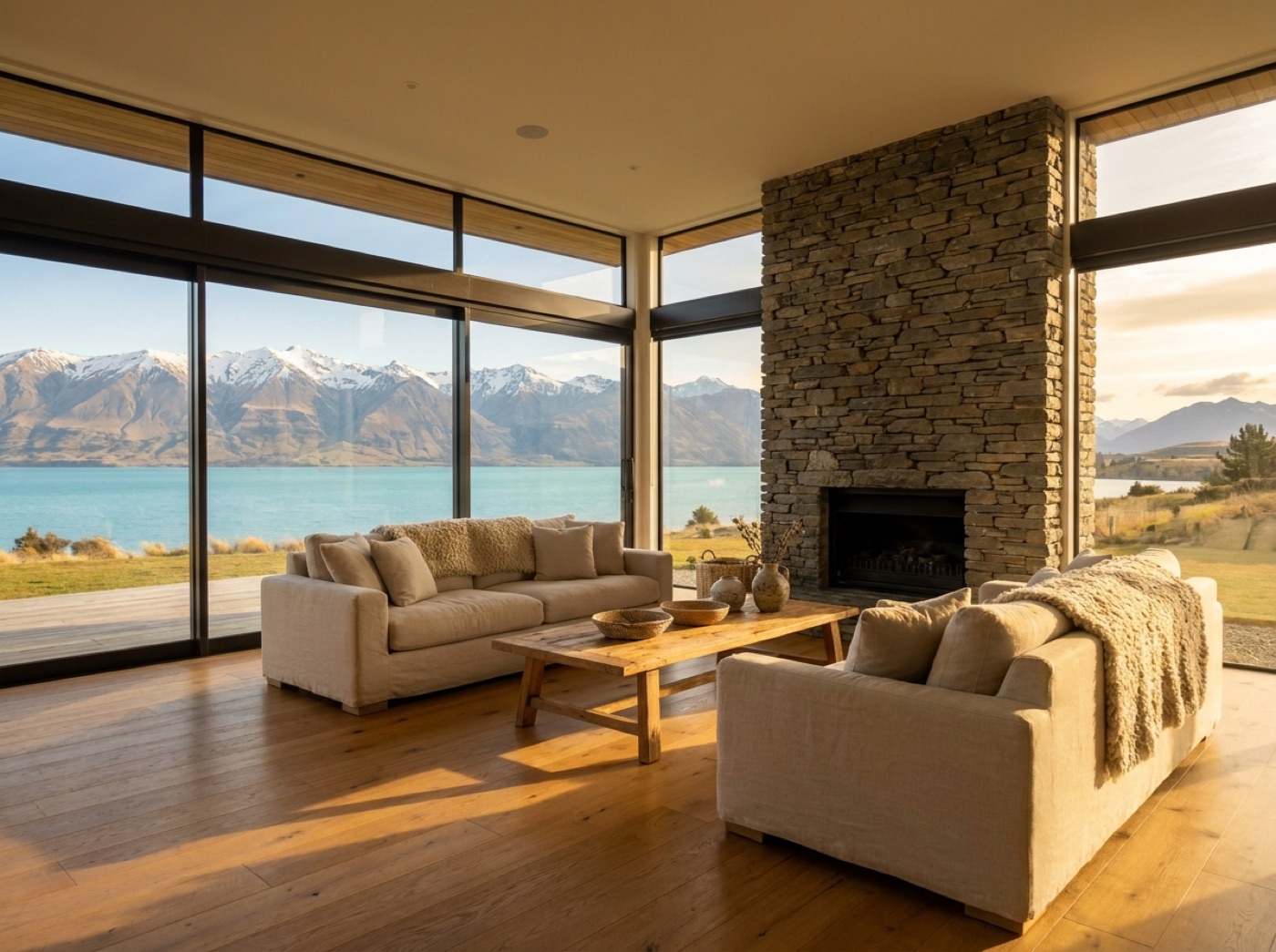
A short distance on a map can still mean hills, wind exposure, parking constraints or a different transport pattern. Generic central-city language leaves guests uncertain about the daily experience and encourages them to compare by price alone.
A useful Wellington page combines editorial confidence with practical precision. It can explain the real walk, transport, workspace, building access and neighbourhood character without overloading the booking journey.
Describe access, steps, lifts, parking and realistic walkability where those details affect the stay.
Separate event, corporate, ferry and leisure guest questions while keeping one availability source.
Let Cuba Street, Te Aro, Thorndon, Oriental Bay or another genuine base carry its own local proposition.
Every build follows the Dual-Track Method. Your current marketplace listings keep working while the owned channel is built beside them.
A cinematic sequence built from approved property media gives the stay movement, scale and atmosphere.
A fast direct-booking site explains the stay clearly and moves the right guest into dates, payment or a qualified enquiry.
Local pages, a complete Google profile and useful regional content create a search footprint the host controls.
Availability, follow-up, arrival and post-stay messages run in the background while the host keeps oversight.
Strong fit: Best for central apartments, harbour-view homes, character villas, extended-work stays and managers with neighbourhood-specific Wellington inventory.
Build once, then expand the owned channel as direct demand grows.
For 1–2 properties. Film, direct-booking site, Google profile and the core booking setup.
Start with LaunchFor 3–8 properties. Add multi-property discovery, guest messaging and ongoing visibility.
Talk about ScaleFor portfolios. Run a complete multi-region direct channel as one managed system.
See portfolio plansSpecific enough to decide whether this is the right build.
Yes. Honest notes about steps, lifts, parking and the route from the street reduce surprises and help the right guest choose confidently.
With practical timing, luggage, parking and onward-travel context, while directing live sailing information to the ferry operator.
Yes, if its layout and booking rules suit that guest. Workspace, invoicing process, transport and longer-stay needs can have a dedicated path.
No. A strong neighbourhood proposition is more useful than stretching a central-city claim beyond what the guest will experience.
Operating somewhere else?
Browse all New Zealand placesKeep every listing live.